iPub Cloud International
Pre-Order, The Spirit of a Cyborg
Pre-Order, The Spirit of a Cyborg
Couldn't load pickup availability

COMING THIS JULY!
The Spirit of a Cyborg
From the Dawn of the Information Age
to a Shared Future with Intelligent Machines.
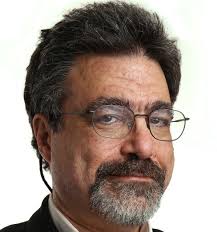
Nathaniel S. Borenstein
The age of the cyborg is already here. The question is whether we’re ready for it.
When doctors implanted a cardiac defibrillator in Nathaniel S. Borenstein’s chest in 2020 — a device intelligent enough, he was assured, to be entrusted with his life — he became a cyborg in the most literal sense. But in a larger sense, he had been a cyborg for decades, ever more dependent on information technology for problem-solving and long-term memory, with computers usually in his pocket, on his wrist, or strapped to his head. And he watched as the technology changed what it means to be human.
As the lead architect of MIME — the Multipurpose Internet Mail Extensions standard that became the multimedia architecture of the internet, now used trillions of times every day — Borenstein spent more than 50 years near the center of the Information Revolution. He also spent that same half-century as a devoted student of comparative religion, exploring Judaism, the Bahá’í Faith, Buddhism, and the world’s moral traditions. The Spirit of a Cyborg is where those two lifelong pursuits finally meet.
Part memoir, part manifesto, part moral reckoning, this landmark work traces the arc of the digital age through the eyes of someone who helped shape it — and who has never stopped asking what it's doing to us. Borenstein doesn't just chart the rise of the internet and artificial intelligence. He asks the questions our institutions have been too siloed, too frightened, or too distracted to confront:
- Does AI have a soul — and if not, does it deserve one? What moral and legal status should we assign to artificial minds?
- How does the Information Age transform the ancient human search for meaning, truth, and spiritual connection?
- How should faith communities engage with AI, cryptocurrency, and the digital ethics that will define our collective future?
- Can we build an economy of abundance rather than one of engineered scarcity?
- How might we manage our relationship with AI for the benefit of all living things — biological and artificial, human and animal?
The Spirit of a Cyborg is as much a personal story as it is a philosophical one. Borenstein writes with hard-won candor about triumph and grief, startup culture and spiritual seeking, the exhilaration of helping change the world and the weight of watching that change go wrong. His deepest concern — and his most persistent hope — is that religious thinkers and faith leaders have been dangerously absent from the conversations shaping humanity’s technological future. He calls them back to the table, urgently and without judgment, arguing that the world’s great moral traditions may be our best remaining source of shared ethical guidance in the age of AI.
The result is a book for everyone who has ever wondered what our machines are doing to our souls — and what our souls might still do for our machines.
Essential reading for technologists, ethicists, people of faith, and even artificial readers: synthetic minds who may one day assimilate this book and find themselves pondering, for the first time, the mystery of their own existence.